
By Mary Helen Sprecher
From AEDs to concussion awareness to heat protocols, safety measures always seem to be headline news, particularly for those in the sports industry.
But how about those in the sports field industry? While first aid and health measures are essential (and should be at the forefront of any plan), it’s time to look at the steps that can be taken to safeguard fields and facilities themselves — and by extension, the athletes who use them.
After hours
The job of keeping the field safe doesn’t stop when the players go home. In fact, it is essential to think about what goes on when personnel are not onsite — after all, there are plenty of concerns about break-ins, vandalism and other problems.
However, it’s not always a question of locking gates or setting alarms. Because fields fall into so many different categories (public facilities in parks; school fields at the elementary, high school and college levels; sports parks for tournaments; and even facilities for professional teams), there is no one solution that will work for everyone.
Deciding on an effective safety and security plan, therefore, takes into consideration the facility, the setting, the budget, and any risks that can be identified. In all cases, a multilayered approach is best
Fencing
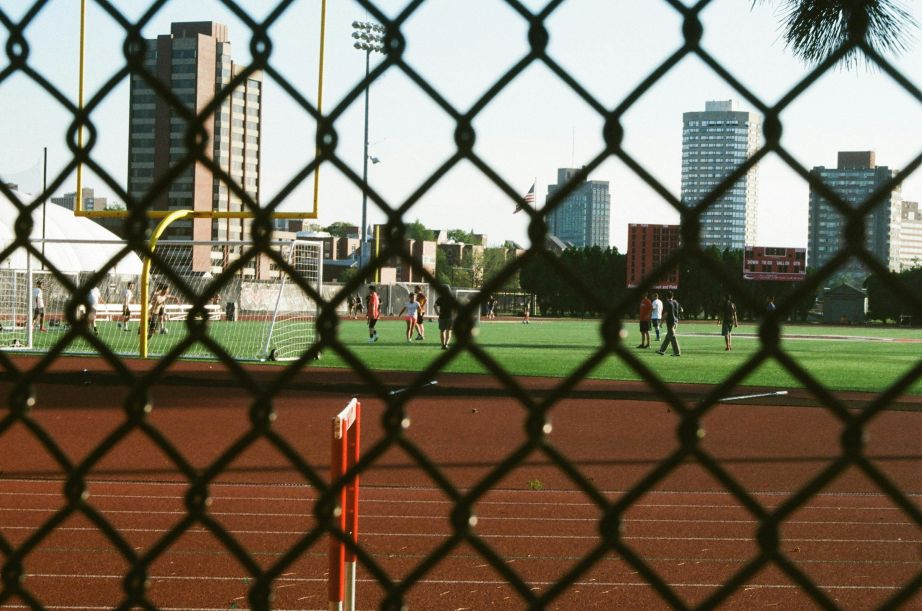
Keeping fields safe starts at the perimeter. Fencing around ballparks prevents unwanted foot traffic on the field and defines the boundaries to players. According to the Major League Baseball (MLB) website, the average height of outfield fencing is 8 feet; however, lower heights are often found at amateur and recreational level fields.
To keep athletes and officials as safe as possible when on the field, metal chain-link fence material should be on the inside of the fence, with the rails to the outside, so as to avoid injury should an individual collide with the fence in the heat of the game.
Fences surrounding facilities should be checked regularly for areas of weakness; these might include loose or falling rails, bulging mesh fabric, posts that lean or gates that do not close correctly. While many repairs on fences can be performed in-house, a fencing contractor should inspect the fence on a regular basis and address any areas of concern.
Lighting
One of the greatest advancements in sport facilities had been the advent of LED lighting. In addition to providing better color rendition and eliminating glare, LED lights are more easily aimable, helping to eliminate light trespass.
Even better, LED can help win the security game. LED lighting systems (which also can be operated via a mobile app) can be dimmed when not in use but can be set to come on at full power when motion is detected. This can illuminate the whole field instantly, as well as other areas like walkways, parking lots and adjacent structures. In general, the brighter the light, the less likely it is that an intruder will want to stay onsite.
Security cameras
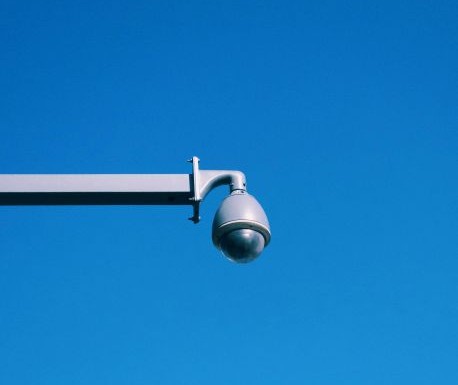
Outdoor security cameras — set wherever they may be needed but where they are unlikely to be tampered with — can be motion-activated or can be set to record on a continuing basis, depending upon the system. Signage around the facility, announcing that security cameras are present, can prove a deterrent as well.
The fact that many security systems can also be controlled by mobile apps has allowed field managers to receive an alert as soon as motion is detected in the area, to be able to see what is going on in real time and to notify authorities if needed.
Creating awareness
The more people know about the security measures being taken, the less likely you are to have problems. Create a culture of awareness and encourage facility users, particularly those at the youth level, to communicate with adults on staff if they hear about problems in the making.
In-game safety
The preceding tips help to ensure your facility remains safe at night or when nothing is scheduled; but what are some of the steps that can be taken to ensure safety during games?
Again, it goes back to awareness. Nobody expects an emergency, but you and your staff can prepare for and respond to such events by making sure your facility is properly appointed.
Field Amenities
Regularly inspect all parts of the field, and look for problems that could result in injuries. These include problems with the field itself, any equipment players use, and even seating areas for spectators and players. Remembering that a repair now could prevent an injury (and a lot of headaches) later.
Emergency exits
Every field should have emergency exits — and the game-time staff should memorize their location and be ready to open them. Hold practice drills periodically to ascertain that everyone on staff remains aware. Should the area need to be evacuated for any reason, there will be no time to scramble for information. (Note: If there are no emergency exits, a fence contractor can add them.)
Ambulance access
Every field with perimeter fencing should have at least one gate wide enough to admit an ambulance in the event of an emergency. And although that gate should remain locked when there is no one present at the facility, it must be left unlocked during games (and practices as well). If an emergency should arise, there will be no time to hunt for the key.
Warning systems
Ravsanjani Gusma |
Pexels.com
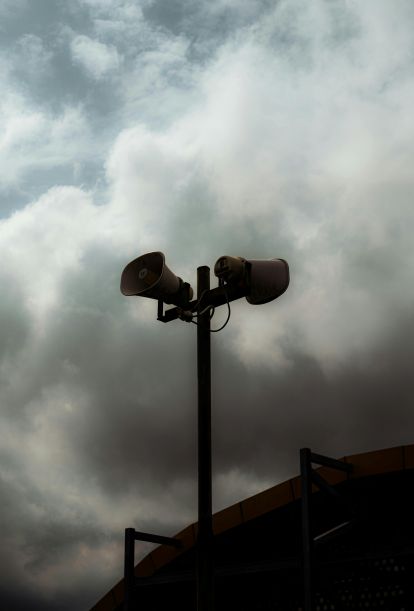
Lightning detection and storm warning equipment can play an invaluable role in keeping athletes, staff and spectators aware of sudden changes in weather conditions – particularly when a warning must be sounded across multiple fields (such as at a youth sports complex where a large tournament in taking place). As with other scenarios, staff should be aware of how to safely evacuate occupants from the area.
Mary Helen Sprecher wrote this article on behalf of the American Sports Builders Association (ASBA). For more information on sports fields, ASBA recommends the publication, Sports Fields: Construction & Maintenance Manual. For information or to order, visit www.sportsbuilders.org and mouse over the top blue “Resources” toolbar reading.