

By Miguel De Jesus
The life viewed through the eyes of a sports field manager is not found in abstraction or spectacle, but in stewardship — quiet, disciplined, and profoundly human.
It begins before the crowd arrives and long after it leaves. Life in this role reveals itself at dawn, when the dew still clings to the turf like a benediction, and the field lies unmarked by ambition or applause. We stand not as owners, but as guardians of grounds that will soon carry the weight of dreams, disappointments, triumphs and fractures. The field is a living text, and our life’s work is to read it fluently, respond to it faithfully, and prepare it to receive others.
To oversee a crew of full-time employees and seasonal hands is to stand at the intersection of labor and legacy. Life’s meaning here is not dominance, but direction. We do not simply assign tasks; we translate purpose. We teach that straight lines matter because fairness matters. We insist on consistency because reliability is the soil in which trust grows. We correct not to diminish, but to refine. In doing so, we shape not only surfaces, but people — crafting professionals who learn that excellence is forged in repetition, patience and accountability when no one is watching.
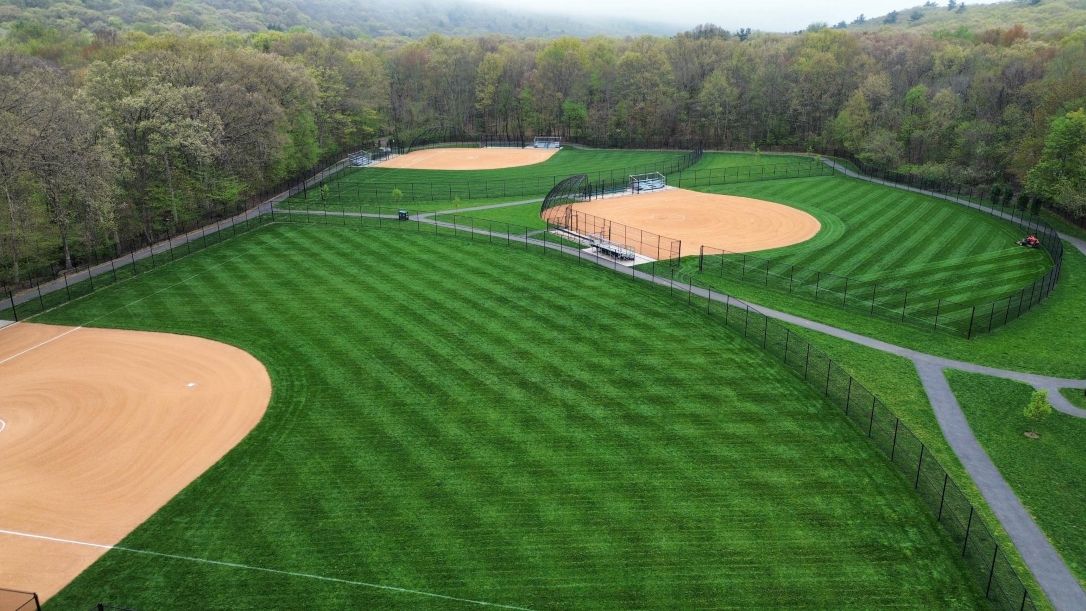
Life as a sports field manager is the daily reconciliation of the uncontrollable with the disciplined. Weather mocks our schedules. Biology resists our timelines. Equipment fails. Budgets tighten. And yet meaning is born precisely in this tension — where human intention meets natural unpredictability. We learn humility from rain; wisdom from grass that refuses to grow on command; and resilience from fields that recover because someone cared enough to aerate, seed, water and wait.
There is meaning in being unseen. The scoreboard does not bear our name, yet every outcome depends upon our foresight. The athlete’s performance is only possible because we made the surface honest — true footing, predictable bounce, safe play. Life teaches us here that significance is not measured by visibility, but by dependence. When everything works, no one notices us. When something fails, everyone does. This, paradoxically, is where purpose sharpens.
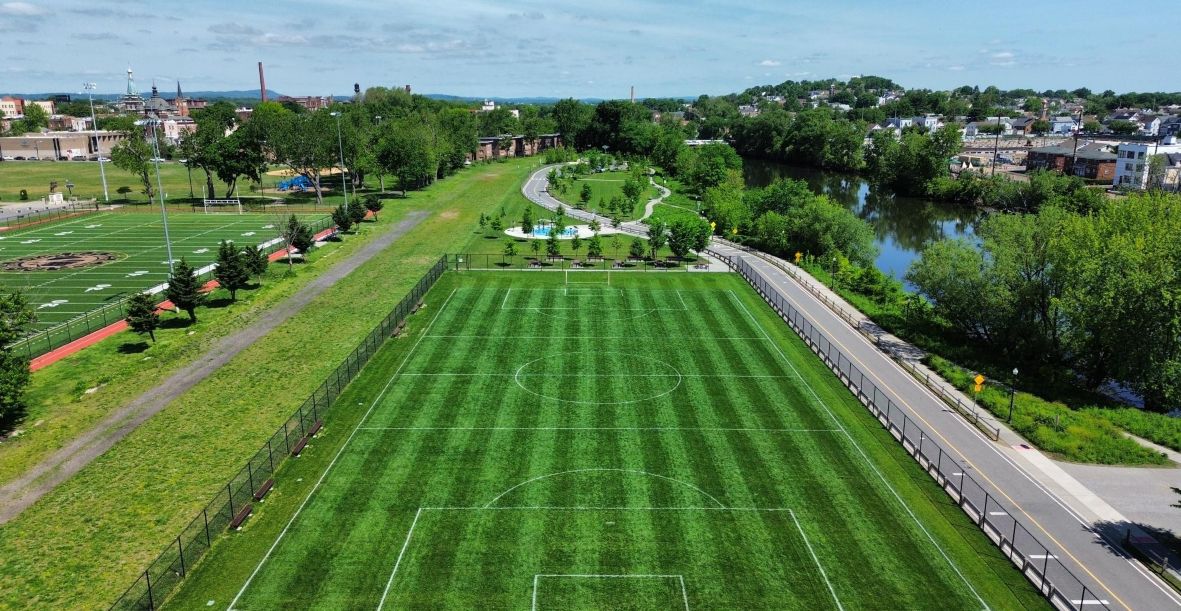
Managing a mixed crew — full-time and seasonal — is a lesson in time itself. Some walk with us year-round, sharing institutional memory and long-term vision. Others pass through briefly, borrowing structure, discipline and standards that may shape how they work long after they leave. Life’s meaning emerges in this exchange: we give consistency to those who stay and foundation to those who go. Both matter. Neither is wasted.
Ultimately, the life of this role is custodial excellence. We prepare a stage we will never stand on. We labor for moments we will never experience from the spotlight. We ensure safety, beauty and fairness for games that are not ours to play. And in doing so we discover a quiet truth: life is not about being celebrated — it is about being necessary, faithful and excellent in the care of what has been entrusted to us.
We do not just manage fields. We cultivate integrity underfoot. We teach people how to work with purpose. We leave the ground better than we found it. And that — whether written in grass or lived in flesh — is a life well understood.
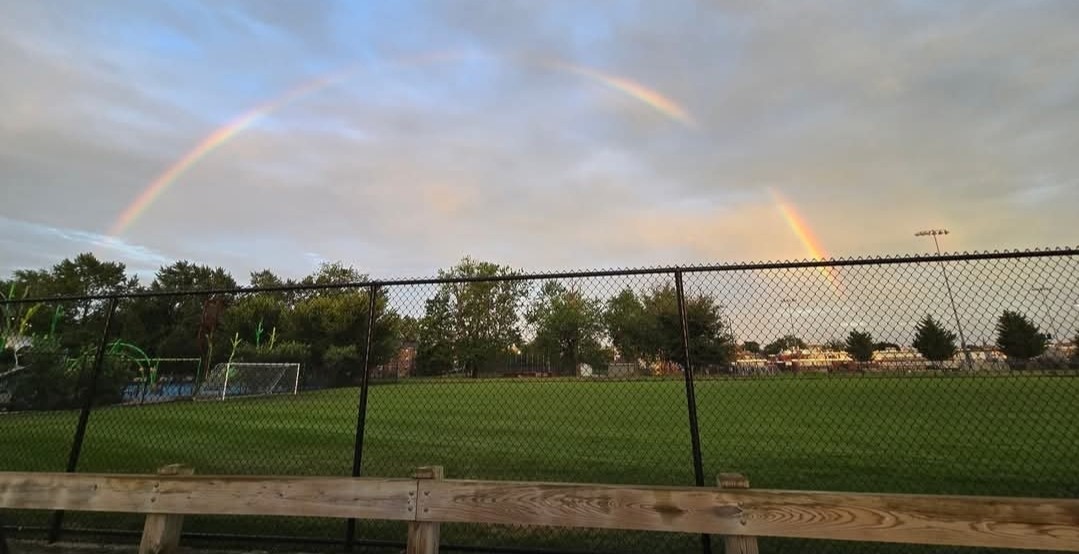
Miguel DeJesus is supervising greenskeeper, County of Passaic (New Jersey) – Department of Parks and Recreation; and a member of Sports Field Managers Association of New Jersey (SFMANJ).
This article first appeared in the Spring 2026 issue of SFMANJ Update newsletter (Vol 26, No. 1); the author would like the readership to know that his active participation with SFMANJ and connection with members inspired him, in part, to pen this article.