What are some of the best examples of general career advice? By general, I mean not specific to your field but to anyone. It could be advice for someone looking for a job, trying to get a promotion, changing careers or for someone who wants to excel at the job he or she already has.
Commercial companies that are exhibiting at STMA's annual conference and exhibition now have the opportunity to gain recognition for their new products at the STMA show. By submitting an entry into the Innovative Awards Program, that entry will automatically be promoted as a new product.
Determining ways to maintain athletic fields without pesticides can cause even the best turf managers to stumble – literally. There is a fine line between aesthetics and safety when talking about athletic fields, according to UConn researchers who are studying the best practices to comply with a 4-year-old law banning pesticide use on school grounds that serve students through grade eight.
We asked some of the people in charge of 2-year turfgrass programs at colleges and universities across the country to update us on those programs. Here are the responses: What have been some significant changes in your program over the past 5 years? What are the biggest challenges facing 2-year programs in the next 5 years? How does your internship program operate? How can the sports turf industry best support 2-year turfgrass programs?
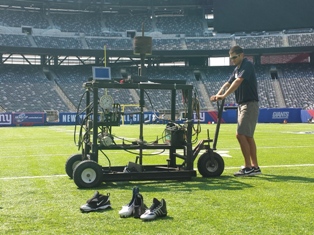
The current heightened focus on athlete safety has increased the scrutiny of all potential contributors to athlete injury, including the playing surface. In fact, all NFL fields are now tested and certified before every game using a set of "recommended practices." These include tests such as field hardness (Gmax), soil moisture, infill depth, and visual inspections, depending on the surface type.
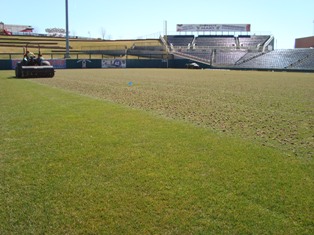
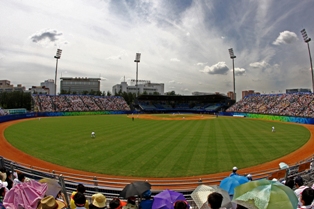
Tournament season is supposed to be memorable for all involved, from the teams and players to the parents and spectators who spend an entire weekend — or longer — at the tournament site. Field managers at any level of play can improve their fields with a few easy steps to ensure that players and spectators are presented with a tournament-ready field that is both presentable and playable.